Corporate Culture Vector Infographic Graphics
As a graphic designer with years of experience in branding, marketing visuals, and digital design assets, I’ve come across countless templates and creative designs. The Corporate Culture Vector Infographic stands out as a versatile tool that can elevate a project’s visual appeal when used thoughtfully. This graphic design asset is ideal for small business branding, handmade brands, or any client looking to communicate values, workflow, or productivity in a clean, modern way.
First Impressions: A Professional Yet Approachable Visual Mood
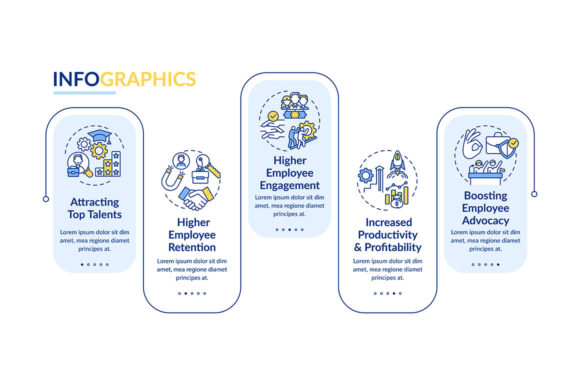
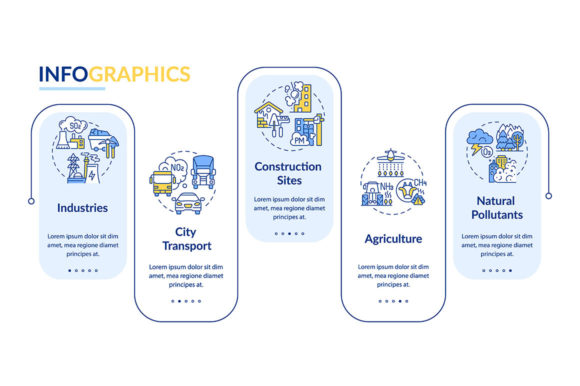
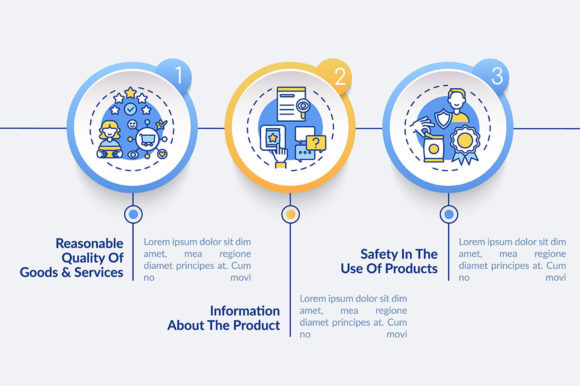
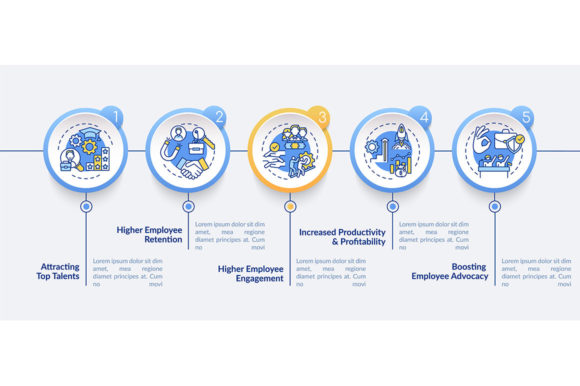
The Corporate Culture Vector Infographic immediately conveys a sense of structure and clarity. Its linear icons, process timeline chart, and data visualization elements suggest a professional yet approachable design style. It feels like a template that could be adapted for a variety of industries—from startups to established companies—without feeling overly corporate or stiff. The layout is organized, making it easy to integrate into brand identity, packaging design, or social media graphics.
This infographic template works well in projects that require a balance between creativity and professionalism. It’s not the kind of design you’d use for a bold, edgy campaign, but it excels in environments where clear communication and visual hierarchy are key.
Real-World Application: How It Fits Into Design Projects
When working on a client project, especially one involving a small business or handmade brand, the Corporate Culture Vector Infographic can serve as a powerful supporting element. For example, if a client wants to create a promotional poster for a new product launch, this infographic could be used to illustrate their company’s values or workflow in a visually engaging way.
It also works well in digital products such as Canva templates or Cricut projects. Whether designing a t-shirt, sticker, or printable wall art, the vector format ensures scalability without loss of quality. For a print-on-demand seller or Etsy shop, this design asset can add a polished touch to product mockups, packaging details, or marketing visuals.
In editorial design or web design, the infographic can act as a hero graphic or decorative accent. Its clean lines and structured layout make it suitable for blog visuals, infographics, or even Pinterest pins that aim to educate or inform.
Where It Shines: Large Layouts, Campaign Visuals, and Branding Elements
The Corporate Culture Vector Infographic performs best in large layout areas, such as posters, banners, or website headers. Its detailed elements allow for a strong visual impact when given enough space. For a seasonal campaign or local event, this design asset can help establish a cohesive visual theme that aligns with the brand’s message.
It also shines in themed collections or campaign visuals where consistency is important. Whether used in a series of social media posts or as part of a packaging design, the infographic maintains a level of professionalism that supports brand recognition and trust.
For a handmade business or boutique product line, the infographic can be incorporated into product labels, packaging design, or promotional materials. Its clean aesthetic complements a variety of styles, from minimalistic to more structured branding efforts.
Where to Use It Carefully: Minimalist Designs and High-Contrast Backgrounds
While the Corporate Culture Vector Infographic is a strong design asset, it may not be the best fit for all projects. In minimalist branding or low-contrast designs, the infographic’s detailed elements could feel overwhelming or cluttered. It’s important to consider how the design interacts with its surroundings.
Projects that require very clean visual hierarchy, such as professional corporate materials, may benefit from a simpler approach. The infographic’s complexity could interfere with the clarity of other design elements, especially if the layout is already busy or the background is intricate.
Additionally, when using this design asset in a low-contrast environment, such as a dark background or a faded color scheme, it’s essential to test the visibility of the elements. Adjustments may be needed to ensure readability and maintain the intended visual impact.
Design Considerations: Readability, Hierarchy, and Brand Consistency
One of the key strengths of the Corporate Culture Vector Infographic is its ability to support visual hierarchy. The structured layout and clear data visualization help guide the viewer’s eye through the design, which is crucial for effective communication. When used in marketing visuals or editorial design, it reinforces brand consistency by offering a recognizable visual language.
However, designers should always test the infographic in different formats. Previewing it at small sizes, such as on a social media post or a mobile screen, can reveal whether the details remain legible. Similarly, testing it on both light and dark backgrounds ensures that it maintains its impact across various platforms.
For commercial design projects, it’s also important to confirm the licensing terms. If the asset is part of a design bundle or a digital product, verifying that it includes a commercial license is essential before using it for a client or business project.
Practical Designer Notes: Testing and File Quality
Before finalizing a design, I recommend testing the Corporate Culture Vector Infographic in black and white. This helps assess how the design holds up without color and ensures that the visual hierarchy remains intact. Checking contrast on different backgrounds is equally important, especially if the design will be used in multiple contexts.
Reviewing file formats is another critical step. If the asset includes SVG or PNG files, inspecting their editability and transparency ensures that they can be customized as needed. Comparing the design with different font styles—such as serif, sans serif, or script fonts—can also help determine how it integrates with the overall brand voice.
For a t-shirt design, sticker design, or sublimation project, ensuring that the infographic scales well and retains detail is key. Similarly, for a print-on-demand seller, checking the print quality of the design asset helps avoid issues during production.
Conclusion: A Useful Asset for Structured Creative Projects
The Corporate Culture Vector Infographic is a valuable addition to any designer’s toolkit, particularly for projects that require a structured, professional look. Whether used in a small business branding effort, a handmade product line, or a digital ad campaign, it offers a clean and adaptable visual solution.
Its versatility makes it suitable for a wide range of applications, from packaging design to social media graphics. However, like any design asset, it requires careful consideration of context, layout, and visual hierarchy to ensure it enhances rather than detracts from the overall project.