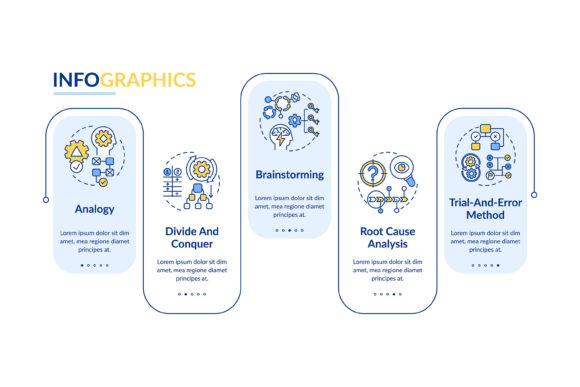
Problem Solving Tactics Infographic Graphics
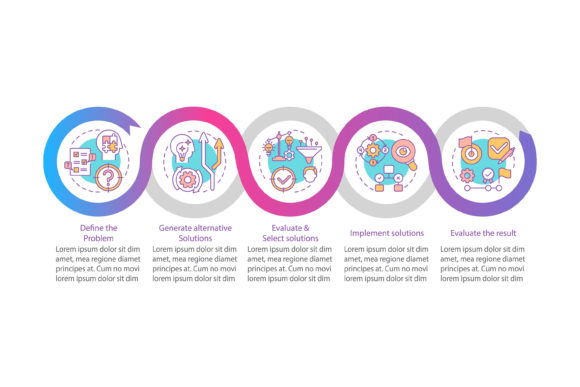
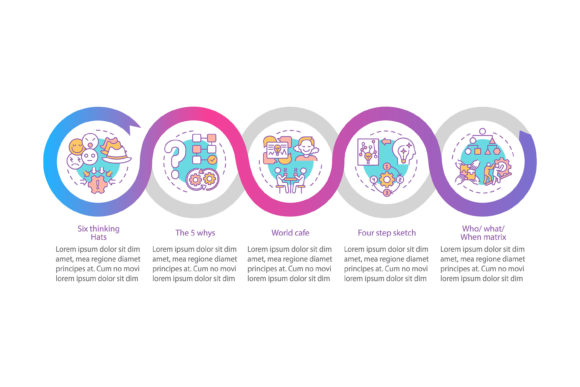
The Problem Solving Tactics Infographic offers a sleek and structured approach to visual storytelling. As a graphic design asset, it immediately conveys a sense of clarity and professionalism. Its clean layout and linear icons suggest a modern design that’s ideal for content focused on productivity, education, and business strategy. The editorial mood is sharp and intentional, making it a strong fit for blogs, digital guides, and content marketing campaigns that prioritize clear communication.
Real-World Publishing Applications
For bloggers and publishers, the Problem Solving Tactics Infographic can serve as a powerful tool in multiple formats. It works well as a blog featured image, helping to draw attention and set the tone for articles on problem-solving techniques, workflow optimization, or creative thinking. As a Pinterest pin, its visual structure makes it highly shareable and engaging, especially for audiences interested in productivity and self-improvement.
It also functions as an effective article header or website banner. When used in editorial layouts, it adds a professional touch without overwhelming the reader. For newsletter graphics, it provides a visually appealing way to introduce new content or highlight key takeaways from a post.
As a downloadable resource, the infographic can be included in lead magnets, digital guides, or worksheets. Its format supports both print and digital use, making it a versatile printable design. In Canva templates, it serves as a solid foundation for users looking to create custom visuals quickly and efficiently.
Supporting Content Performance
One of the most valuable aspects of the Problem Solving Tactics Infographic is how it enhances content performance. A strong first impression is crucial in today’s fast-paced online environment, and this design asset helps create that impact. Its clear visual hierarchy ensures that key information is easily digestible, which can improve engagement and click-through rates.
Consistent branding is another benefit. By incorporating this infographic into your content, you reinforce a cohesive brand identity across all platforms. This consistency builds trust with your audience and makes your content more recognizable.
The infographic also supports better category recognition. Whether it’s used as a thumbnail for a series of posts on problem-solving or as a visual cue in a digital guide, it helps readers quickly identify the theme and value of your content.
Best Use Cases
This design asset shines in hero images, where it can serve as a focal point for landing pages or high-impact content sections. As a blog graphic, it adds visual interest without distracting from the main message. In editorial accents, it can be used to break up long paragraphs or emphasize key points.
It’s also great for content upgrades, such as downloadable checklists or worksheets. As a social media preview, it grabs attention and encourages clicks. And as a category visual, it helps organize content in a way that’s both functional and aesthetically pleasing.
When to Use with Caution
While the Problem Solving Tactics Infographic is highly versatile, there are situations where it may not be the best choice. On small mobile thumbnails, the details might get lost, making it less effective. In text-heavy blog images, it could compete with the main content rather than support it.
On low-contrast backgrounds, the design may not stand out as intended. In busy layouts, it could feel cluttered or out of place. For serious professional niches or corporate content, its modern style might not align with the desired tone. Similarly, websites with a very minimal visual system may find it too bold or complex.
Publisher Notes and Practical Tips
Before finalizing the use of the Problem Solving Tactics Infographic, test it on both desktop and mobile screens to ensure it scales well. Check how it looks as a thumbnail, and preview it within a real blog layout to see how it interacts with other elements.
Test it with headline text to ensure readability and visual balance. Check contrast and readability in different lighting conditions. Try it in black and white to see how it holds up without color. Place it beside various font styles—serif, sans serif, script, handwritten, and display—to evaluate how it complements different typography choices.
Review the file size for web performance and compress images properly to maintain quality while ensuring fast loading times. Confirm the commercial license before using it on monetized websites, affiliate pages, or paid content products.
Conclusion: A Valuable Addition to Your Design Toolkit
The Problem Solving Tactics Infographic is a strong graphic design asset that can elevate your blog visuals, website branding, and editorial content. Its clean layout and structured approach make it ideal for content marketing, affiliate marketing, and educational materials. Whether used as a blog graphic, social media graphic, or digital guide, it adds value by improving visual hierarchy, brand identity, and reader trust.