Schedule Stages Vector Infographic
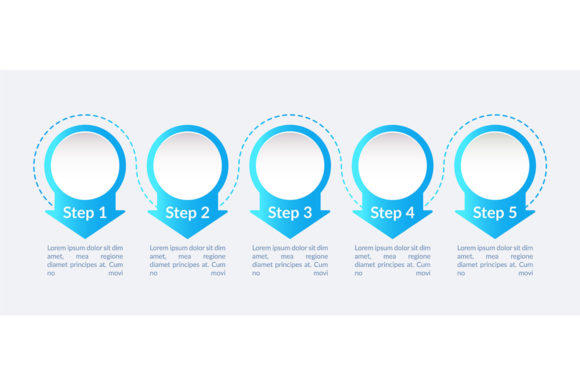
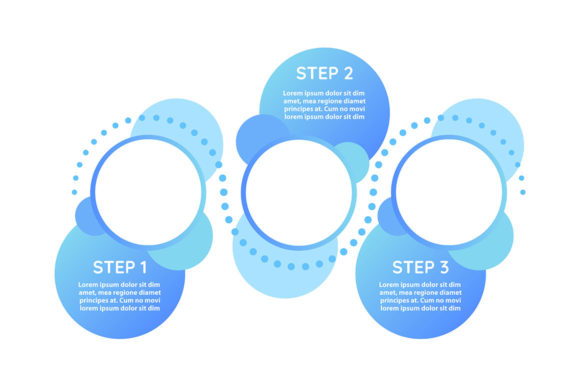
As an embroidery designer with years of experience, I always approach new designs with a critical eye. When I first saw the Schedule Stages Vector Infographic, I was immediately drawn to its clean, professional aesthetic. The round blue elements and structured layout suggest a modern, data-driven approach—perfect for projects that need clarity and visual appeal.
First Impressions: A Design That Speaks to Organization
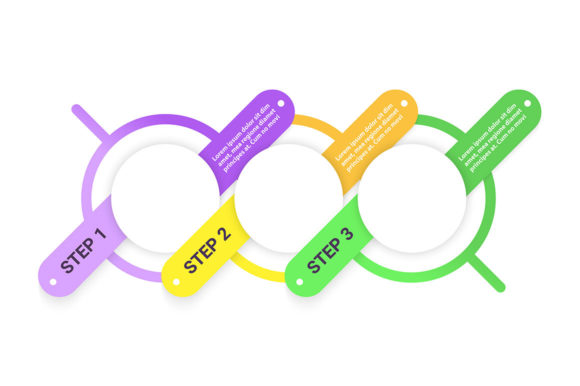
The design feels intentional. The three-step process is clearly laid out, with ample text space and a workflow layout that’s easy to follow. The use of soft blue tones gives it a calm, approachable vibe. It doesn’t scream for attention but instead invites the viewer to engage with the information it presents.
This kind of design would fit well in a handmade product that emphasizes planning, like a custom embroidered tote bag or a sweatshirt with a motivational message. It could also work as a patch for a craft business or a decorative element on a baby item that needs a subtle yet meaningful touch.
Real-World Embroidery Use Cases
When considering how Schedule Stages Vector Infographic performs in real embroidery situations, it’s important to think about where it will be placed. For example, if you’re creating a personalized gift like a holiday ornament or a custom apron, this design could add a professional look without overwhelming the piece.
It also works well for commercial embroidery projects, such as branded apparel for small businesses or boutique merchandise. The clean lines make it adaptable to different fabric types, though some care is needed depending on the material.
For an Etsy seller or digital product seller, this design could be part of a printable mockup or a digital asset package. Its simplicity allows for easy customization, making it a valuable addition to a creative entrepreneur’s toolkit.
Where to Be Careful: Limitations and Considerations
While the design is visually appealing, there are areas where it might not perform as well. If you’re working with small hoop sizes, the intricate details might be challenging to stitch accurately. Similarly, on textured or stretchy fabrics, the design could lose some of its sharpness.
Thin or dark fabrics may require careful selection of thread colors to ensure visibility. Tiny lettering or detailed corners could be difficult to stitch cleanly, especially on curved surfaces like caps or baby onesies. If you're using it for a layered garment or something that will be washed frequently, consider the durability of the stitches.
For applique designs or those requiring satin stitch, the design’s structure makes it manageable, but you’ll want to test it on scrap fabric before committing to a final project.
Impact on Visual Appeal and Customer Perception
Embroidery projects that incorporate Schedule Stages Vector Infographic can elevate the perceived value of a handmade product. The clean layout and professional look contribute to a sense of trust and quality, which is essential for any small shop product or Etsy listing.
Customers often look for items that feel thoughtful and well-designed. This infographic can help create that impression, whether it’s used on a custom t-shirt, a baby onesie, or a holiday gift. It adds a layer of professionalism that can make a big difference in buyer engagement.
For a craft business, having a design that looks polished and organized can reinforce brand consistency. It helps create a cohesive visual identity that resonates with customers looking for quality and style.
Practical Tips for Embroidery Designers
Before jumping into a project, I always recommend testing the design on scrap fabric. This helps identify any issues with stitch density, stabilizer use, or thread color contrast. You don’t want to find out too late that the design doesn’t translate well to your chosen material.
Check the hoop size required for the design. If it’s larger than your machine can handle, you may need to adjust the layout or split the design into sections. Also, pay close attention to small details—like text placement or corner curves—that might be harder to stitch cleanly.
Test the design in black and white mockups to see how it looks on different fabric backgrounds. This can help you decide whether it works best on light or dark materials. And remember, even a simple design can have a big impact when executed well.
Final Thoughts: A Versatile Tool for Creative Entrepreneurs
Schedule Stages Vector Infographic is a solid choice for embroidery designers looking for a clean, professional template. It’s versatile enough to work across a range of projects, from custom apparel to personalized gifts. However, like any design, it requires thoughtful application to ensure it meets the needs of both the creator and the end user.
If you’re a small shop owner or a digital product seller, this design could be a useful addition to your collection. Just be sure to check the file formats, hoop size, and licensing terms before using it in your projects. With the right approach, it can become a valuable asset in your embroidery toolkit.