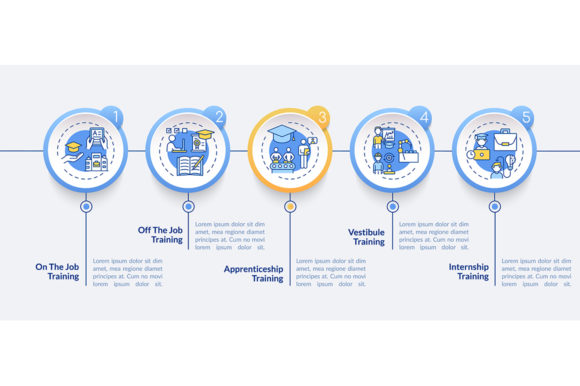
Staff Development Methods Infographic Graphics
As a blog designer and digital publisher, I always look for high-quality graphic design assets that can elevate content presentation and editorial quality. The Staff Development Methods Infographic is one such asset that stands out for its clean layout, professional tone, and strong visual hierarchy. This infographic template offers a modern design that works well across multiple publishing platforms, making it a valuable addition to any content creator’s toolkit.
First Impressions: A Professional and Educational Mood
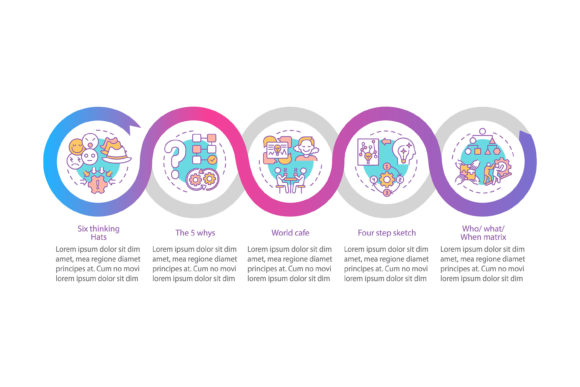
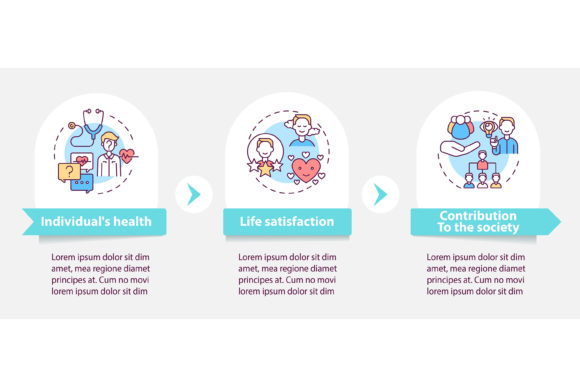
The Staff Development Methods Infographic immediately conveys a sense of structure and professionalism. Its linear icons and data visualization elements create a clear, organized feel that supports educational and training-focused content. The design has a modern aesthetic with a subtle emphasis on workflow and process, which makes it ideal for niches like business development, leadership training, and career growth.
This infographic doesn’t lean into playful or decorative styles, which means it fits best in environments where clarity and credibility are key. It’s not the type of design you’d use for lifestyle or seasonal content, but it shines in professional, educational, or corporate settings.
Real-World Publishing Use Cases
For bloggers and content creators, the Staff Development Methods Infographic is incredibly versatile. It can serve as a featured image for articles about employee training, career development, or organizational strategies. Its clean layout makes it an excellent Pinterest pin, especially for content marketing campaigns targeting professionals and entrepreneurs.
This graphic design asset also works well as a blog header, website banner, or editorial layout element. When used in digital guides or downloadable resources, it adds a polished touch that reinforces brand identity. As a Canva template, it provides a solid foundation for customizing social media graphics, newsletter banners, and lead magnets.
For affiliate marketers and online educators, the infographic can be repurposed into a visual guide for apprenticeship programs, training modules, or skill-building content. Its workflow layout and process timeline chart make it easy to adapt for different formats, from e-books to interactive web pages.
Supporting Content Performance
One of the strongest aspects of the Staff Development Methods Infographic is its ability to enhance visual hierarchy. The structured layout ensures that key information is easily digestible, which improves reader engagement and click-through rates. This is especially important for content that needs to look polished and clickable, whether it’s a blog post, email newsletter, or social media preview.
When used consistently across a website or blog, this infographic helps reinforce brand identity and create a more cohesive user experience. It also builds reader trust by presenting information in a clear, professional manner—something that’s essential for content that aims to inform or educate.
Where It Works Best
The Staff Development Methods Infographic excels in scenarios where visual clarity and professional appeal are priorities. It’s perfect for hero images, article thumbnails, and Pinterest pins that need to grab attention while conveying value. As a digital guide or printable design, it adds a level of sophistication that can elevate content upgrades and downloadable resources.
It also works well as a category thumbnail or website header, helping readers quickly identify content related to staff development, training, or workflow optimization. In newsletters and social media posts, it serves as a strong visual anchor that supports headline text and encourages engagement.
Where to Use It Carefully
While the Staff Development Methods Infographic is a powerful tool, it may not be the best choice for every situation. On small mobile thumbnails, the details might get lost, so it’s important to test how it looks at different sizes. In text-heavy blog images, it could compete with the main content, so it should be used sparingly.
For serious professional niches or corporate websites, this infographic may feel too casual. If your brand relies on minimalism or a very clean visual system, you might want to adjust the design before using it. Additionally, ensure that the background contrast is sufficient and that the layout doesn’t clash with other design elements.
Publisher Notes: Testing and Optimization
Before integrating the Staff Development Methods Infographic into your content, test it on both desktop and mobile screens. Check how it appears as a thumbnail and preview it within a real blog layout. Ensure that it pairs well with headline text and maintains readability in different contexts.
Try the infographic in black and white to see how it holds up without color. Place it beside various font styles—serif, sans serif, script, handwritten, and display—to evaluate how it interacts with different typography. Also, review the file size for web performance and compress images properly to maintain fast load times.
Finally, confirm the commercial license before using it on monetized websites, affiliate pages, or paid content products. This infographic is a great example of a digital download that can be repurposed across multiple platforms, making it a smart investment for content creators and small business brands.
Conclusion: A Versatile Asset for Content Publishers
The Staff Development Methods Infographic is more than just a visual tool—it’s a strategic asset for publishers looking to improve their editorial design, website presentation, and content marketing efforts. Whether you’re creating blog graphics, social media visuals, or digital guides, this infographic offers a professional and structured approach that enhances readability, trust, and engagement.
With its clean layout, clear visual hierarchy, and adaptable design, it’s a reliable choice for anyone involved in content creation, branding, or digital publishing. As a graphic design asset, it proves that good infographics can make a big difference in how content is perceived and consumed.