Children Abuse at Home Infographic: A Powerful Graphic Design Asset for Branding
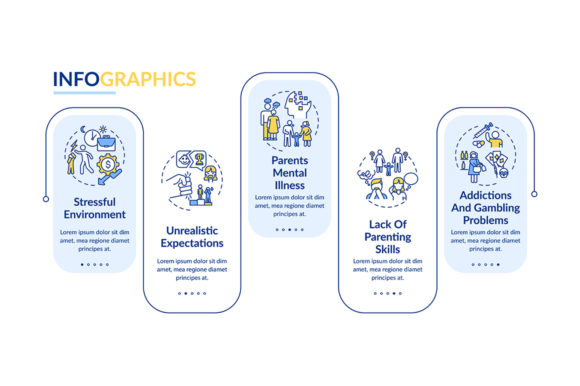
As an experienced brand designer, I often find myself sifting through design assets to find the perfect match for a local business project. Recently, I came across the Children Abuse at Home Infographic, and while its subject matter is serious, the visual structure and layout offer unexpected versatility for creative use in branding, packaging, and promotional materials. This infographic template isn’t just about data—it’s a well-crafted graphic design asset that can be adapted into various formats with thoughtful application.
A First Look: Mood and Brand Personality
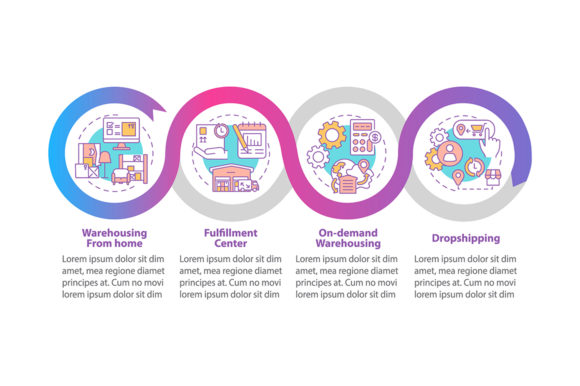
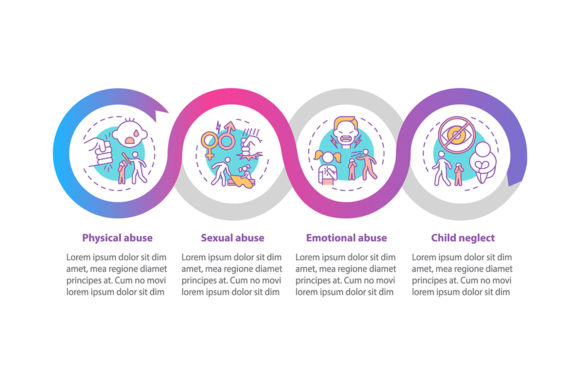
The first impression of the Children Abuse at Home Infographic is professional yet approachable. Its structured process timeline and clean linear icons suggest a modern, educational tone. The four-step workflow makes it easy to follow, which is essential for both digital and print applications. While the content is sensitive, the design itself is neutral enough to be repurposed for other themes, such as child safety awareness or family wellness campaigns.
This template feels more like a toolkit than a rigid design. It doesn’t scream “handmade” or “rustic,” but it does have a soft, informative edge that could work well for businesses aiming to communicate care, responsibility, or community impact. For instance, a local children’s product brand might use this as part of a campaign highlighting safe, ethical production practices.
Real-World Applications for Small Business Branding
Infographics are often overlooked by small business owners, but they can be incredibly effective in building trust and conveying complex ideas visually. Here’s how the Children Abuse at Home Infographic can support your brand identity efforts:
- Product Labels: Use the infographic's step-by-step format to explain how your product benefits children or families—especially useful for educational toys, organic baby food, or eco-friendly kids' clothing brands.
- Packaging Accents: Extract individual elements, like the timeline chart or linear icons, to create subtle visual accents on product boxes or bags without overwhelming the design.
- Social Media Campaigns: Repurpose the infographic for Instagram posts, Facebook carousels, or TikTok slideshows to educate followers about child safety or share company values related to family welfare.
- Printable Inserts: Include simplified versions of the infographic in thank-you cards or gift tags to reinforce your brand’s commitment to community and child protection.
- Website Banners: Convert the infographic into a hero graphic for landing pages promoting a new line of kid-friendly products or services.
Supporting Visual Hierarchy and Brand Consistency
One of the most valuable aspects of this infographic graphics is how it supports visual hierarchy. The clear separation of steps allows designers to layer information effectively. When used correctly, it helps direct attention and ensures important messages are seen first.
Incorporating this template into your brand identity toolkit can also help maintain consistency across different platforms. Whether you're working on packaging design for a boutique store or crafting social media visuals for a handmade soap business, having a unified style strengthens your brand recognition and builds customer trust.
Where This Infographic Shines
After testing this graphic design asset in several mockups, here are the areas where it truly excels:
- Hero Graphics: Its bold structure works well as a focal point on posters, flyers, or large banners—ideal for raising awareness during a local event or campaign.
- Decorative Brand Elements: The icons and layout can be reimagined as background textures or accent patterns in labels, stickers, or hang tags for a unique touch.
- Promotional Banners: Especially when using SVG files, the infographic can scale perfectly for both online ads and in-store signage.
- Boutique Visuals: A local shop selling children’s books or toys can use it to highlight their commitment to safe, ethical, and educational products.
- Seasonal Campaigns: During back-to-school or holiday seasons, repurpose the infographic as part of a themed marketing push to emphasize child safety and care.
Enhancing Shelf Appeal and Customer Connection
For a real-world example, let’s say I’m designing packaging for a local bakery that offers healthy treats for kids. The Children Abuse at Home Infographic can be subtly integrated into a label explaining how each ingredient is responsibly sourced and child-safe. This not only improves shelf appeal but also creates a stronger emotional connection with parents looking for trustworthy options.
Another scenario involves a handmade candle brand targeting parents who want to create a safe and nurturing home environment. By incorporating the infographic’s theme into their product mockup, they can tell a story about creating safe spaces at home, aligning their brand values with the audience’s concerns.
Where Caution Is Needed
While the Children Abuse at Home Infographic is a strong design element, there are situations where it should be used carefully:
- Formal Corporate Branding: The infographic may not fit the tone of a high-end legal or finance firm, though it could be suitable for nonprofits or NGOs focused on child welfare.
- Very Small Labels: The complexity of the template can get lost if shrunk down too much. Always test it at actual size before finalizing.
- Crowded Packaging: If your product already has a lot of text or images, adding another infographic element might confuse the viewer. Less is more in these cases.
- Ingredient-Heavy Layouts: Avoid placing the infographic over dense nutritional or ingredient lists where clarity is key.
- Luxury Minimalist Brands: The detailed nature of the infographic may clash with minimalist aesthetics unless heavily stylized or abstracted.
Designer Tips for Effective Use
To make the most of this graphic design asset, here are some practical notes from my experience:
- Test on Real Packaging Mockups: Import the ZIP file into your favorite design software and overlay it on actual packaging templates to see how it looks in context.
- Check Black and White Usage: Some color-based elements may lose contrast when printed in grayscale. Make sure the message remains legible in all formats.
- Preview on Small Labels: Try scaling the infographic down to fit on a sticker or hang tag. Does it still communicate clearly?
- Test with Your Brand Colors: Replace the default palette with your own brand colors to ensure it complements your existing visual language.
- Compare with Competitor Packaging: See how similar designs use infographic elements. Can you differentiate yours with this asset?
- Check Print Quality: If using PNG or SVG files, verify that they render sharply on physical prints, especially at high resolutions.
- Review PNG Transparency: Useful for overlays on photos or textured backgrounds. Ensure transparency settings don’t compromise visibility.
- Inspect Vector Editability: Since it’s a vector-based template, check whether you can easily modify shapes, icons, or fonts within your design tool.
- Font Pairing Tests: Try pairing the infographic with serif, sans-serif, script, handwritten, and display fonts to find the best match for your brand voice.
- Confirm Commercial Licensing: Before applying this to any client work, product packaging, or promotional material, always double-check the commercial license terms to avoid legal issues.
Creating Impact Through Educational Branding
Many local businesses today are shifting toward purpose-driven branding. The Children Abuse at Home Infographic gives you a ready-made framework to showcase your brand’s role in promoting child safety or family values. For a local food business focusing on organic ingredients, for example, the infographic can serve as a subtle reminder of the care taken in every product.
Its data visualization approach also makes it ideal for editorial-style content in newsletters, blogs, or even on product inserts. Parents and caregivers appreciate clear, informative visuals—this infographic provides that while maintaining a modern and clean look.
Infographics as Part of a Broader Marketing Strategy
When building out a marketing visuals package for a small business, integrating an infographic like this can add depth to your storytelling. For a children’s skincare brand, the four-step layout could represent the stages of product development, from sourcing natural ingredients to ensuring child-friendly formulas.
It also pairs well with other design assets like hand-drawn illustrations or geometric patterns, helping you build a cohesive visual language across your packaging design, social media graphics, and website content. As long as the infographic doesn’t overshadow core messaging, it can enhance your brand presentation significantly.
Final Thoughts for Creative Entrepreneurs
As a brand designer, I’m always looking for versatile tools that can elevate multiple facets of a small business’s visual identity. The Children Abuse at Home Infographic is one such asset—it’s adaptable, informative, and has a clean foundation that supports many branding needs. From logo design integration to product label enhancements, this template can become a subtle yet powerful component of your small business branding strategy.
However, it’s not a one-size-fits-all solution. Be intentional about how and where you apply it. Think about the mood you’re trying to set—does the infographic feel too heavy for your target audience? Could it be softened with rounded edges or pastel tones?
Ultimately, the right graphic design asset is one that aligns with your brand personality and serves a clear purpose. The Children Abuse at Home Infographic does exactly that when used thoughtfully. So go ahead, extract what works, customize what fits, and let it become part of your next impactful brand identity project.