Warehousing from Home Vector Infographic: A Design Asset for Small Business Branding
As an experienced brand designer working with local businesses, I’m always on the lookout for graphic design assets that offer both visual appeal and practical value. When I first reviewed the Warehousing from Home Vector Infographic, I was immediately drawn to its clean, structured layout and the subtle warmth in its iconography. It’s a template that strikes a balance between informative data visualization and approachable branding — perfect for small business owners who want their packaging and promotional materials to reflect efficiency without losing personality.
A Fresh Take on Fulfillment Center Presentation
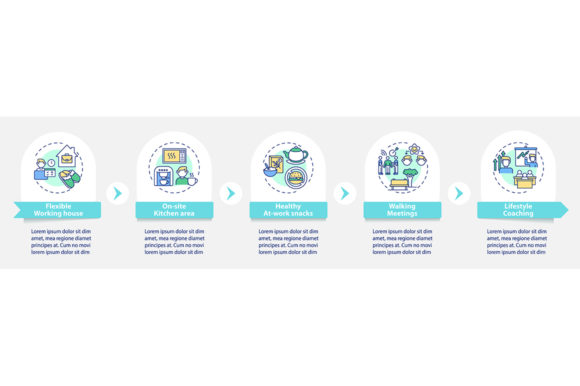
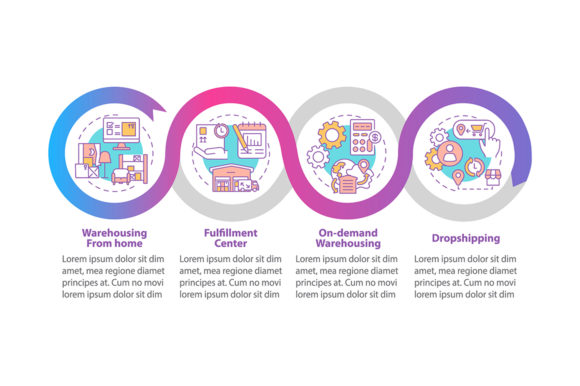
This infographic is built around a four-step process timeline, using linear icons and a clear workflow layout. While it may seem like it's tailored for e-commerce logistics at first glance, its adaptability makes it suitable for a wide range of local businesses. The mood it creates is professional yet friendly, which aligns well with brands that operate in a home-based or boutique environment. Think of a handmade soap company or a small coffee shop trying to explain their sourcing and production journey in a visually engaging way — this asset could be the key to making those processes feel transparent and trustworthy.
Brand Personality and Visual Tone
The Warehousing from Home Vector Infographic has a modern, streamlined look that suggests efficiency and reliability. However, its soft line work and rounded shapes give it a less corporate, more artisanal feel. This duality makes it ideal for businesses that want to communicate professionalism while maintaining a personal touch. It doesn’t scream “mass production,” but rather hints at thoughtful organization — a great fit for food labels, product packaging, and even thank-you cards that tell a story behind the brand.
Infographics as Part of Your Brand Identity Toolkit
Infographics are often overlooked in small business branding, but they can serve multiple purposes beyond just explaining processes. They can become part of your visual identity, especially when used consistently across different mediums. In my recent project for a local flower shop, I integrated a similar infographic into their hang tags and social media content to show how each bouquet was curated and delivered. The result? Improved customer engagement and a stronger emotional connection to the brand’s values.
With Warehousing from Home, you can do something similar. Whether you're designing a product label for a seasonal candle collection or creating a digital social media graphic that outlines your shipping and fulfillment process, this vector-based asset adds clarity and visual interest. Its structure also supports marketing visuals that guide customers through your brand’s journey — from creation to delivery.
Real-World Applications for Local Businesses
- Product Labels: Use the infographic to illustrate the steps involved in your product lifecycle, especially if you run a handmade or eco-conscious brand.
- Packaging Accents: Incorporate one or two of the linear icons as decorative elements to break up text-heavy sections on your boxes or bags.
- Social Media Campaigns: Repurpose the four-step layout into Instagram Stories or Facebook posts that highlight your brand’s unique selling points.
- Printable Inserts: Include a simplified version of the infographic in your product inserts to reinforce brand messaging and transparency.
- Website Banners: Transform the infographic into a hero graphic for your site, showcasing your commitment to quality and customer service.
Supporting Stronger First Impressions and Consistent Branding
One of the most valuable aspects of this graphic design asset is how it enhances the visual hierarchy in your designs. By clearly separating each step with consistent spacing and icon styles, it helps viewers quickly grasp your message. For a local bakery, this might mean showing how ingredients are sourced and baked — all in a few seconds of visual scanning. That kind of clarity builds trust and recognition, especially in a market where authenticity matters more than ever.
Additionally, the use of linear icons ensures a cohesive aesthetic across your brand identity. If you pair them with your logo and color palette, the infographic becomes a natural extension of your style. This consistency is crucial for small businesses aiming to create memorable packaging design and promotional material.
Emotional Connection Through Process Visualization
Customers today crave transparency. Especially in industries like food, skincare, and handmade goods, being able to show the care and effort that goes into each product can make all the difference. The process timeline chart in this infographic allows you to build that emotional bridge. Imagine a florist using it to outline how each arrangement is handpicked and prepared — the infographic not only informs but reassures the customer about the craftsmanship behind the product.
Where This Graphic Design Asset Works Best
Here are some specific places where the Warehousing from Home Vector Infographic shines:
- Hero Graphics: On websites or landing pages, this infographic can be a standout element that tells your brand story at a glance.
- Promotional Banners: Perfect for email headers or print flyers, the infographic can help guide the viewer through a limited-time offer or campaign.
- Seasonal Packaging: Use the workflow layout to showcase holiday preparation or special edition product development.
- Boutique Visuals: Its warm yet professional tone fits seamlessly into the aesthetics of small boutiques, artisan stores, and niche markets.
- Editorial Design: Great for blog posts, newsletters, or product guides where you want to add a touch of visual storytelling.
When to Use It Carefully
While versatile, there are situations where this design asset should be handled with care:
- Formal Corporate Branding: If your brand leans heavily into traditional or formal imagery, the playful nature of the icons may clash.
- Very Small Labels: The details in the infographic may get lost if scaled down too much. Always preview it on real-life sizes before finalizing.
- Crowded Product Packaging: Adding too many infographic elements can lead to clutter. Prioritize simplicity in high-density layouts.
- Ingredient-Heavy Layouts: For food products with long lists of ingredients, let the infographic play a supporting role rather than a central one.
- Luxury Minimalist Brands: If your brand is all about sleek minimalism, consider using only isolated parts of the infographic sparingly.
Design Notes for Brand Integration
Before incorporating Warehousing from Home into your commercial design, here are a few things I recommend testing:
- Mockup Testing: Apply the infographic to a product mockup to see how it looks in context. Does it enhance or distract?
- Black and White Usage: Check if the infographic maintains its clarity and impact when printed in grayscale.
- Small Label Previews: Test the ZIP file contents on tiny spaces like stickers or tags to ensure legibility.
- Color Compatibility: Overlay the infographic with your brand colors to see if it still reads well and feels cohesive.
- Font Pairing: Try placing it beside various typefaces — serif, sans-serif, script, handwritten — to find the best match for your brand voice.
- Commercial Licensing: Confirm whether the asset includes a commercial license before using it in client projects or for physical sales.
- Print Quality: Inspect the PNG and SVG files for sharpness and scalability, especially if you plan to use it in printable design formats.
Putting It All Together
In a recent collaboration with a local children’s toy brand, we used a modified version of a similar infographic to highlight their in-home assembly and fulfillment process. It became a signature element in their packaging and was later adapted for their website and social media banners. The response was overwhelmingly positive — customers appreciated the visual explanation of the brand’s dedication to safety and sustainability.
If you're looking for a graphics asset that bridges the gap between function and flair, Warehousing from Home Vector Infographic is worth considering. Just remember to tailor it to your brand’s needs and test it thoroughly before full integration. Used wisely, it can elevate your infographics and strengthen your small business branding efforts across multiple platforms.