Emotional Abuse in Children Infographic Review for Real Embroidery Projects
As an experienced embroidery designer and product reviewer, I approach every machine embroidery design with a critical eye, especially when it comes to using it in real-world projects. The Emotional Abuse in Children Infographic caught my attention not just for its visual complexity but also for the message it carries. In this article, I’ll walk through how this design functions in practice—what works well, what could be tricky, and where it shines as part of your handmade product lineup.
A Mood That Demands Careful Handling
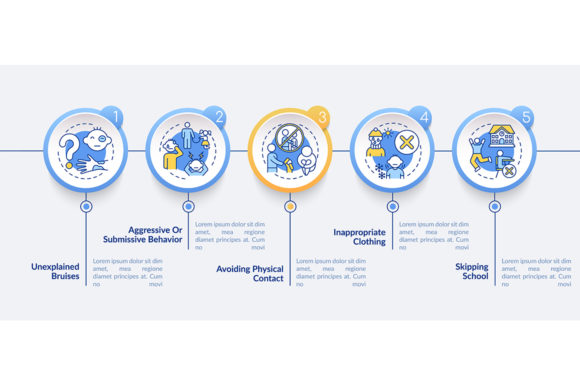
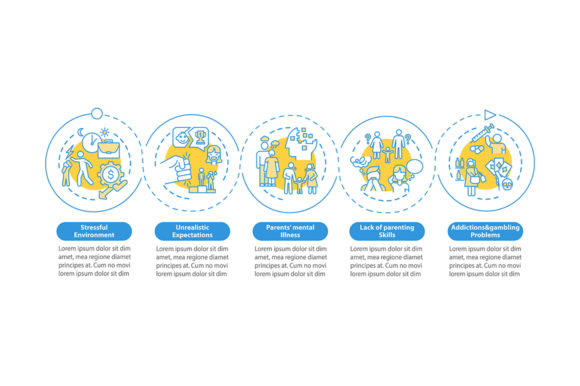
The first thing that stands out about the Emotional Abuse in Children Infographic is its mood. It’s serious, informative, and visually structured around five key steps or stages. The use of linear icons and a process timeline gives it a clean, educational tone that feels more like a presentation than a decorative motif. This isn’t the kind of design you’d expect on a whimsical sweatshirt embroidery, but it fits perfectly in a thoughtful, impactful project meant to raise awareness or serve as a conversation starter.
Visually, the layout is balanced and symmetrical. Each section flows into the next with subtle directional cues, which makes it ideal for designs that tell a story. The detail level is high enough to convey information without being overwhelming. For someone like me who often works with infographics in both digital and stitched formats, this one has strong structure but requires careful consideration before application.
Real-World Use Cases: Where This Design Can Thrive
Let’s say I’m preparing a custom embroidered tote bag for a boutique that specializes in mental health awareness products. This infographic would work beautifully if the fabric is smooth and light-colored, allowing the design elements to pop. The 5-step layout could even be adapted into smaller sections for multiple panels or layered embroidered patch applications.
For custom apparel like sweatshirts or long-sleeve shirts, this design can function as a central graphic element. However, it’s best suited for larger areas—think full back designs or oversized front logos—where details won’t get lost in the fabric grain. If used on a pillow cover or nursery decor, the infographic’s educational nature could turn it into a meaningful piece of interior art, especially if paired with soft pastel thread colors.
Holiday gifts might seem like an odd fit at first glance, but for a small shop focused on conscious consumerism or social impact, this could be a powerful addition to personalized items. A holiday embroidery project aimed at raising funds for child welfare organizations could feature this design on aprons or tea towels—items that are practical yet personal.
When to Think Twice About Placement
- Small hoop sizes: The design contains detailed icons and text. Attempting to fit it into a compact hoop will likely result in tiny, hard-to-read sections. Better to scale down specific parts rather than compress the whole.
- Textured or stretchy fabrics: The fine lines and iconography may distort slightly on materials like denim or jersey. Smooth cotton blends are safer bets.
- Dark fabric backgrounds: Thread color contrast becomes crucial here. Without bright or light thread choices, some details may fade into the background. Test different thread combinations before committing.
- Curved surfaces: Using this design on a cap or curved surface might compromise legibility. Stick to flat areas like the chest of a hoodie or the center of a tote bag.
- Dense stitch areas: While the infographic uses a mix of fill stitch and running stitch, densely packed sections may cause puckering if stabilizer isn’t used correctly.
Design Impact on Visual Appeal and Customer Perception
Embroidery is more than just stitching—it's storytelling. The Emotional Abuse in Children Infographic adds depth and purpose to any craft business offering. Its professional look elevates the product value, making it suitable for commercial embroidery as well as niche handmade shops. Customers tend to appreciate when a personalized gift carries a deeper meaning, and this design does exactly that.
However, it’s important to ensure the design aligns with your brand voice. If your small shop product line is playful and casual, this infographic might feel out of place. But for Etsy sellers focusing on mental health advocacy or educators creating printable mockups, it’s a strong asset that builds customer trust and shows commitment to important issues.
Practical Designer Notes Before Stitching
- Test on scrap fabric first: Always do a trial run to see how each section reacts to your machine, thread tension, and fabric choice.
- Check thread color contrast: Especially important if you're working with dark fabrics. Consider using white or metallic threads for better visibility.
- Review stitch density: High-density fill stitches might not be necessary for all sections. Adjust them for smoother results and less strain on the fabric.
- Confirm hoop size requirements: Though no exact dimensions are listed, based on the layout, you’ll need a minimum of a mid-sized hoop for clarity.
- Inspect small details: Icons and text should be clear and readable. Zoom in on your design preview to make sure nothing gets too compressed.
- Test in black and white: See how the design holds up without color—this helps in choosing the right thread palette for contrast.
- Compare light and dark fabric backgrounds: Make sure the infographic remains legible regardless of the base fabric color.
- Use proper stabilizer: To prevent distortion and maintain sharp edges, especially on thin or stretchy materials.
- Check licensing before selling: If you’re planning to use this in commercial projects or digital design assets, confirm whether the file allows resale of finished goods or digital downloads.
Where This Design Fits Best
I’ve found the Emotional Abuse in Children Infographic performs exceptionally well on large-format items such as tote bag design projects and apparel decorators’ sweatshirts. It’s also a solid option for digital embroidery files intended for Etsy listings or printable templates that customers can customize themselves.
Its workflow-style format is particularly effective in educational infographics or handmade product packaging. As a graphic that communicates complex ideas through simple visuals, it enhances the professionalism of your offerings and supports brand consistency if you’re targeting a socially aware audience.
What You Should Avoid
- Using it on baby clothes unless you’re certain the messaging is appropriate and the design is softened with pastel tones.
- Ignoring the need for stabilizer on delicate or stretchy materials.
- Assuming it will work equally well in all lighting conditions—test thread visibility under natural and artificial light.
- Not considering how it looks when scaled down. Some sections might become illegible or lose their impact.
Final Thoughts from a Designer’s Perspective
The Emotional Abuse in Children Infographic is a bold, informative embroidery file that brings a sense of gravity and purpose to your embroidery project. It’s not a typical decorative design, but for those ready to create something with intention, it offers great potential.
As a designer, I appreciate how it balances education with aesthetics. It doesn’t shout its message; it invites reflection. That said, it needs to be handled with care—especially regarding placement, fabric type, and thread selection. When done right, it can transform a simple handmade product into a meaningful statement piece.
If you're considering using this vector infographic template in your next craft fair product or small business merchandise, take the time to test, adjust, and understand its nuances. With the right approach, it can enhance your finished product in ways that go beyond visual appeal and tap into emotional resonance.