Travel Infographic Design Template: A Versatile Graphic Asset for Creative Projects
As a professional graphic designer with years of experience working on branding, marketing visuals, and packaging for small businesses, I often find myself vetting design assets to ensure they align with the needs of real-world client projects. Recently, I came across the Travel Infographic Design Template, and after testing it in various scenarios, I wanted to share my honest perspective from a practical standpoint.
First Impressions: Modern and Thematic
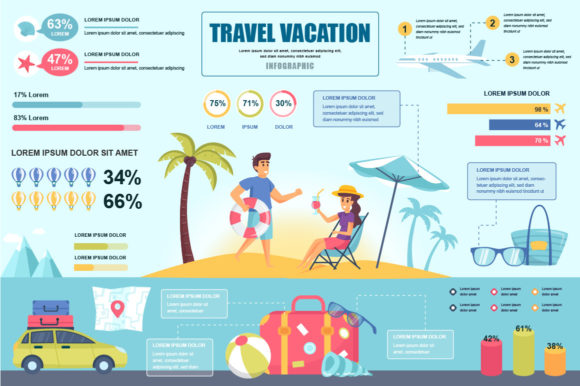
The moment I opened the Travel Infographic Design Template, I was struck by its clean yet vibrant aesthetic. The visual elements—such as stylized maps, flight icons, car routes, and data visualization components like timelines and workflows—suggested a modern, thematic approach to travel-related content. It felt more like an editorial illustration than a generic clipart download, which is always a good sign when evaluating graphics for professional use.
This template carries a summer vibe, ideal for brands promoting vacations, road trips, or seasonal campaigns. Its infographic style makes it suitable for conveying information in a visually engaging way without overwhelming the viewer. As someone who frequently works with handmade brands and boutique product lines, I appreciate how it balances creativity with clarity—a key factor in successful brand communication.
Application in Real-World Client Projects
I tested the Travel Infographic Design Template across several project types to gauge its adaptability and effectiveness. Here’s where it truly shines:
- Product Mockups: When used as a hero graphic on a poster or flyer for a local travel agency or a tour company, the infographic elements helped create a sense of adventure and journey.
- Editorial Design: Incorporating the timeline and workflow visuals into blog posts about trip planning or travel itineraries enhanced the layout's readability and made the content feel more structured and informative.
- Social Media Graphics: The template worked well as Pinterest pins and Instagram stories, especially when paired with minimal text and bold colors. It added a decorative touch that still maintained a strong visual hierarchy.
- Print-on-Demand Products: Placed as a background element on tote bags and mugs, the design brought a fresh, thematic look to merchandise for a travel-themed Etsy shop.
- Cricut Projects: The vector-based illustrations made it easy to customize and scale for vinyl stickers or sublimation designs on apparel, proving its value in DIY crafting and digital sellers’ toolkits.
However, I also noted some limitations. In logo design or minimalist branding, the template could feel too busy unless heavily edited or abstracted. That said, it does have potential as part of a themed collection or supporting asset in a broader brand identity system.
Where This Design Asset Works Best
The Travel Infographic Design Template is most effective in larger layouts where the details can breathe and be appreciated. Think of it as a foundational graphic rather than a subtle accent. Here are some ideal use cases:
- Large Layout Areas: Posters, banners, and website headers benefit from its intricate design, helping establish a strong visual mood right away.
- Hero Graphics: Its dynamic structure makes it perfect for leading design concepts, such as destination promotions or travel service announcements.
- Themed Collections: For a seasonal campaign or a curated set of travel-inspired products, this asset can unify the look while adding creative flair.
- Printable Designs: Whether for wall art, invitations, or flyers, the template maintains quality and coherence when printed at high resolution.
- Supporting Brand Elements: It can be used as a backdrop in packaging design or integrated subtly into social media templates to reinforce a travel motif without overshadowing other brand components.
Use with Caution in These Scenarios
While the Travel Infographic Design Template is versatile, there are situations where it might not perform optimally:
- Small Sizes: At smaller resolutions, such as icons or thumbnails, the complexity of the infographic may become unclear or lose its impact.
- Crowded Layouts: If your design already has multiple elements or dense typography, layering this template might result in a cluttered appearance.
- Complex Backgrounds: On textured or patterned backgrounds, the template’s visual weight can be compromised, reducing legibility and overall polish.
- Minimalist Branding: Brands aiming for a sleek, modern, or corporate look might find this template too playful unless carefully adapted.
- Professional Corporate Materials: Unless the context is a lifestyle-oriented business within a corporate setting (e.g., employee travel benefits), the template may not fit the tone required.
Design Readability and Hierarchy
One of the most important aspects of any graphic design asset is its ability to support—not hinder—readability and visual hierarchy. The Travel Infographic Design Template does well in editorial and promotional contexts where the goal is to guide the viewer through a journey or process. The use of clear pathways and labeled sections helps users follow along naturally, making it a strong choice for infographics or step-by-step guides.
That being said, if you're using it in a commercial design asset that requires strict typographic emphasis, like a headline-driven ad or a product label, it should be layered behind or beside the main message to avoid competing for attention. Testing it with different font styles—such as serif, sans serif, script, handwritten, and display fonts—revealed that it pairs best with open, friendly typefaces that match the adventurous theme.
Brand Consistency and Emotional Appeal
For clients targeting a fun, youthful, or exploratory audience, this template can be a game-changer. It adds emotional appeal by evoking the excitement of travel and discovery. However, maintaining brand consistency means ensuring that the color palette and style of the Travel Infographic Design Template align with the rest of the brand’s visual language. I recommend adjusting hues and saturation levels to match existing logos or packaging before finalizing the design.
When placed on a product mockup, such as a t-shirt or sticker design, the template gave off a strong impression of a handmade business or artisanal travel brand. It elevated the overall look, making the product feel more intentional and thoughtfully designed.
Practical Designer Notes
Before incorporating the Travel Infographic Design Template into a commercial design, here are some checks every designer should make:
- Test in Black and White: To ensure it remains recognizable and retains its structure without color, especially for grayscale printing or monochrome branding.
- Check Contrast on Light and Dark Backgrounds: The design performs better on lighter tones, but with adjustments, it can work effectively on darker themes as well.
- Preview at Small and Large Sizes: Confirm that it scales well and doesn’t pixelate or lose clarity when resized for different platforms or print outputs.
- Place on Real Mockups: Try applying it to actual product mockups like posters, mugs, or website headers to see how it looks in context.
- Test Print Quality: Especially for printable wall art or stickers, check how the template handles high-resolution printing and whether it holds up on glossy or matte surfaces.
- Review File Formats: Ensure that SVG or vector file formats are available for editing in Adobe Illustrator or similar tools. PNG files should have transparency options if needed for overlay purposes.
- Confirm Commercial Licensing: Always verify the license agreement to confirm that it allows use in client projects, branding materials, and print-on-demand sales. Some assets restrict usage beyond personal or non-commercial settings.
Why This Might Be a Valuable Creative Asset
What sets the Travel Infographic Design Template apart from many other infographics is its blend of artistic detail and functional layout. It doesn’t just serve as a background; it can actively contribute to the storytelling aspect of a design. For instance, in web design or Canva templates, it can help break down complex information about travel services or vacation packages into digestible parts.
Additionally, the template’s modular nature allows for reconfiguration. You can isolate certain elements—like the car route or flight path—and repurpose them in smaller design assets such as email headers or social media posts. This flexibility is crucial for designers managing a cohesive brand identity across multiple platforms.
Final Thoughts for Design Professionals
Overall, the Travel Infographic Design Template is a compelling option for designers looking to add depth and narrative to travel-centric projects. Whether you’re creating a summer campaign for a boutique hotel or designing a print-on-demand line for an online store, this asset offers both visual interest and structural guidance.
Its strength lies in its ability to elevate the mood of a design while keeping the message intact. Just remember to consider the context and balance it with other elements in your composition. With the right tweaks and thoughtful application, it can become a standout feature in your next creative marketplace listing or client deliverable.
So, if you’re in need of a graphic that brings both function and flair to your travel-themed work, the Travel Infographic Design Template is definitely worth exploring. Just don’t forget to test it thoroughly and adjust it to meet your specific project requirements.